Book Factory Café · the first chapter, free

The Great Khan

by Roger Daniel Grubb

*Book I: The Blood Clot*

The child came in the cold hour before dawn, in the deep of winter, when the fires in the camp had burned down to their red hearts and the felt walls of the ger breathed in and out with the wind coming off the frozen Onon.

Inside it was close and dark and smelled of smoke and tallow and the warmth of women’s bodies packed near. Höelün knelt over the birthing-rope they had strung from the roof-poles for her to haul against, and she hauled, and she did not cry out. She had promised herself that. Crying out was a gift, and she had learned young to give her enemies nothing — and though there were no enemies in the tent tonight, only the midwife and her husband’s second wife and a girl too young to be much use but old enough to fetch, the habit of giving nothing had set in her like iron, and she kept it. She bit down on a twist of softened leather and breathed through her nose and pulled.

“Soon now,” said the midwife, who had pulled half the camp into the world and had her sleeves shoved back and her hands sure. “Soon. You’re built for this, girl, whatever else they say about you.”

What they said about Höelün was that she was stolen, which was true; and that a stolen wife carries the grudge of the men she was taken from in under the felt with her, which was also true, though no one said it tonight.

The pain came in long waves and she rode each one down to its trough and gathered herself for the next, and the fire ticked, and the wind leaned on the tent, and at the bottom of the deepest wave of all the child came free — into the smoke, into the cold, into the midwife’s waiting hands — and made the thin furious sound new things make when the world first touches them.

“A son,” the midwife said. And then she said nothing at all.

“Bring the lamp,” she said after a moment, in a changed voice, and the girl scrambled with the little clay lamp, and its light fell on the child and on the midwife’s face and on the small right hand, which was closed.

That was not strange in itself. A newborn comes into the world with its fists shut, as though the world were already understood to be a thing worth gripping. But the midwife did not do what she always did and open the fingers and wipe the palm clean. She held the lamp and looked. The other two women leaned in. Then she peeled the tiny fingers back one at a time, and in the fold of the palm there was a clot of blood, dark and firm and whole, the size of a knuckle-bone.

The tent went quiet in the particular way a tent goes quiet when several women who know the old signs all recognize one in the same breath. Nobody spoke it. Nobody had to. A child born with blood already in his fist would be a spiller of it — a taker of lives, a breaker of camps, the kind of man the sky sends down once in a long age, whom the people unlucky enough to stand in his way do not forget.

Sochigel, the second wife, made a small sound and looked away. The midwife wiped her hands slowly on the cloth at her waist. It was Höelün — spent, grey, running with sweat in the cold — who put out her arms.

“Give him to me.”

They gave him to her. She looked a long time at the dark clot in her son’s hand, and she did not wipe it away, though every woman in the tent was waiting for her to. Let it be, she thought. Let it be seen for what it is. She had been carried off a screaming girl on a stranger’s horse and made a wife in a strange camp, and that hard schooling had taught her not to flinch from a thing only because it frightened the people around her. She would not begin with her own son.

Yesügei came at the full light of morning, ducking through the door-flap on a gust of cold, and he brought the outside in with him — horses, and cold iron, and under it, faint and unmistakable, the flat sweet smell of another man’s blood not yet washed off. He had been east among the Tatars. He wore the bright flat look a man wears in the hours after he has killed and lived, when the world seems very sharp and very simple.

He crossed to the fire and looked down at his wife and the bundle in her arms.

“A boy,” Höelün said.

“A boy.” Something moved under the hard face, quickly, and was put away. He crouched. He did not take the child — Yesügei was not a man who gathered a thing so small and new into his big hands — but he looked, and he saw the closed fist, and he did not remark on it, because a man learns not to name omens in front of women who have already decided how to feel about them.

“We took the Tatars,” he said instead. “By the Ulja. I killed a chief of them, a hard man — it cost me to do it. Temüjin-üge, he was called.” He reached out one blunt finger and touched the baby’s dark, damp head, once, the way a man touches a good horse he has decided to buy. “Temüjin. Lay the name on him. Let the strength of a man I had to work to kill go into a son of mine.”

It was the custom, and no one in the tent thought it strange. Only later — years later, when the thing was done and could not be undone — would any of them turn it over and see it whole: that the boy had come into the world holding blood; that the name they hung on him that morning had belonged, six days earlier, to a man his father had killed; and that the Tatars were a patient people who kept their accounts, and were, even then, out on the eastern grass, remembering the face of the man who had ridden off with their chief’s name for a trophy.

Outside, the Onon lay white and silent under the last of the dark, going nowhere the eye could follow and everywhere beneath the ice. The child did not cry again. He lay in the crook of his mother’s arm with his fist still shut, holding what he had been born holding, and did not let go.
Nine summers later

In his ninth summer Temüjin rode east with his father to be given away, and did not know that was what it was.

He thought he was becoming a man, because that was how Yesügei had put it, and a boy takes his father at his word. A son of the Borjigin did not marry from among his near people; he rode out and found a wife among strangers, and to seal the finding he was left behind in the stranger’s camp — to be known, to be measured, to earn the girl by living beside her family until the day came to bring her home. It was the custom, and Temüjin knew the custom the way he knew how to sit a horse, without remembering having learned it. What he did not know was how it would feel to watch his father ride away and leave him.

They rode a string of good ponies down the long grass in the early heat, the father ahead, the boy a length behind, as it should be. Yesügei did not talk much. He was a man other men grew quiet around — a taker of Tatars, a friend of the great Toghrul who wore the title of khan — and when he did speak on that ride it was to point.

“There,” he said once, without turning, and Temüjin followed the blunt finger up to where a hawk hung and then folded and dropped out of the sky into the grass. “He saw the mouse before you saw the hawk. Learn to be the one who sees first.”

A while later: “That ground.” A stretch of grass cropped close, the earth beaten. “A camp’s herds have been on it, not many days gone. So a camp’s eyes have been on it too. Read the ground, boy, and no man will ever put a knife in you that you didn’t watch him draw.”

“How do you read it if it’s been rained on?” Temüjin asked. It was the first thing he had said in a mile, and he was afraid it was a stupid question, and he asked it anyway because he wanted, more than he wanted to seem clever, to know.

Yesügei was quiet a moment. “You read the rain, then,” he said. “There’s always something. Men lie, Temüjin. The ground doesn’t know how.” And that was the longest speech his father made on the whole ride, and Temüjin turned it over for years, and read the ground for the rest of his life.

They had not meant to stop among the Onggirat, but a man met them on the track — a broad, shrewd-eyed man who introduced himself as Dei, called the Wise — and when he saw the boy on the second pony he went oddly still.

“Yesügei,” he said slowly, “my friend. Last night I dreamed a white falcon came down out of the sky. It held the sun in one claw and the moon in the other, and it settled on my hand, and I woke and could not read it.” He was not smiling. On the steppe a dream was not a small thing, and he spoke as a man reporting weather that would decide the year. “Now here you come riding into my country with this boy, and his eyes have fire in them and his face has light. Come to my tents. My daughter is a child yet. But come, and see her, and let us talk.”

The girl was called Börte. She was ten, a year older than Temüjin, and she looked at him the way her father had looked at him, straight on, without flinching, taking his measure and letting him see her take it. Temüjin had been looked at by grown men who wanted something from his father; he had never been looked at like this, by someone who wanted nothing from him at all and saw everything. He found he could not make himself look away first, and that this did not shame him, and that was new.

“Say something to her,” Yesügei murmured, half a laugh in it.

Temüjin could not think of a single thing worth saying to a girl who looked at you like that. “Your camp keeps its horses well,” he said finally, which was true, and idiotic, and Börte’s mouth twitched at one corner as though she had decided to let him keep the scrap of his dignity, and did not laugh, and he was grateful to her for the not-laughing in a way he could not have explained.

Inside Dei’s tent the two men drank airag and circled the thing the way men circle a thing they have both already decided to do. Dei praised the boy’s father and lamented, elaborately, the poorness of a match between a great line and his own humble tents; Yesügei praised the girl and the camp and warned, elaborately, that the boy came from a hard, proud house with more enemies than horses. Each of them lied courteously about his own poverty and the other’s grandeur, and under the lying they came, cup by cup, to the true thing, which was yes.

“She’ll do,” Yesügei said at last, which from Yesügei was a song, and Dei laughed and refilled the cups, and it was agreed as such things were agreed — over airag, in few plain words, with a dream sitting in the corner of the tent that neither man mentioned again and neither man forgot.

By the old law the boy would stay. A son left his father’s saddle and joined his bride’s hearth and lived there and was watched, and Temüjin had always known he would, and it was one thing to know it on the ride out and another to stand in a stranger’s camp at dusk and understand that his father was about to get on a horse and he was not.

Yesügei drank, and rose, and put on the flat closed face he wore for hard things. He set his hand once on his son’s head — hard, and left it there a moment longer than he needed to — and said the thing fathers say, which is nothing: a warning about minding the ponies, a joke about the girl’s cooking he had not tasted, so that the leaving would not have to be spoken out loud between them.

“I go,” Yesügei said. “Be a man they’re glad they took in.”

Temüjin wanted to say something and did not have it. He watched his father swing up and turn the string of ponies west into the falling light, one man alone on the enormous grass, getting smaller, and he did not run after him and did not call out, because he was nine and believed he was becoming a man and men did not do those things. He did not know he was watching his father ride away for the last time. On the steppe the worst blows come from behind the good day, and are already on the road while the airag is still sweet in the cup.

Yesügei rode two days west and grew thirsty, and on the second evening he came on a camp of Tatars spread along a stream, their cook-fires already lit, and he did what the law of the steppe requires of any man, friend or enemy: he got down off his horse. A rider who passes a camp at meal-time and does not stop insults the fire, and the fire belongs to the sky.

They gave him a place at it. They had to; the law runs both ways, and a host must feed even a man he hates. Yesügei sat, and ate what he was handed, and across the low flames an old man watched him a little too long.

The old man had a son under a cairn three winters gone, put there by a Borjigin raid, and he knew this face. He knew the flat bright look it wore, the look of a man easy in the world because the world had lately gone his way. He did not say anything. Saying nothing was the whole of his art now; his knife-arm was old, but the law that forbade him the knife under his own roof said nothing about a pinch of the wrong thing in a guest’s bowl, and patience, and a long memory. He rose, and moved among the pots as an old host does, seeing to his guest’s comfort, and did the quiet thing, and sat back down.

Yesügei ate what he was given, because to refuse a host’s food is its own insult and a proud man will not insult the fire even among enemies. In the morning he thanked them and rode on. By midday there was a heat low in his belly that was not the airag, and he told himself it was the airag, the way a man tells himself a thing until the thing will not be told any longer. He turned his horse north for home, and rode harder than a well man rides, and thought of the son he had left behind him in a stranger’s camp learning to read the ground, and did not yet know that he would not reach him, and that the boy would learn, within a handful of days, that the worst news on the steppe always comes riding fast, on a good horse, under a clear sky.

About 12 min left in this chapter

Not ready to stop? Get chapter 2 free.

Leave your email and chapter 2 of The Great Khan lands in your inbox in a minute, with 25% off the rest of the book for a week. You join Roger Daniel Grubb's reader list — theirs, not ours — and can leave it from any mail.

End of the free sample. Enjoying it?

See the book
Tell a friendXFacebookRedditWhatsAppEmail
Readers also read
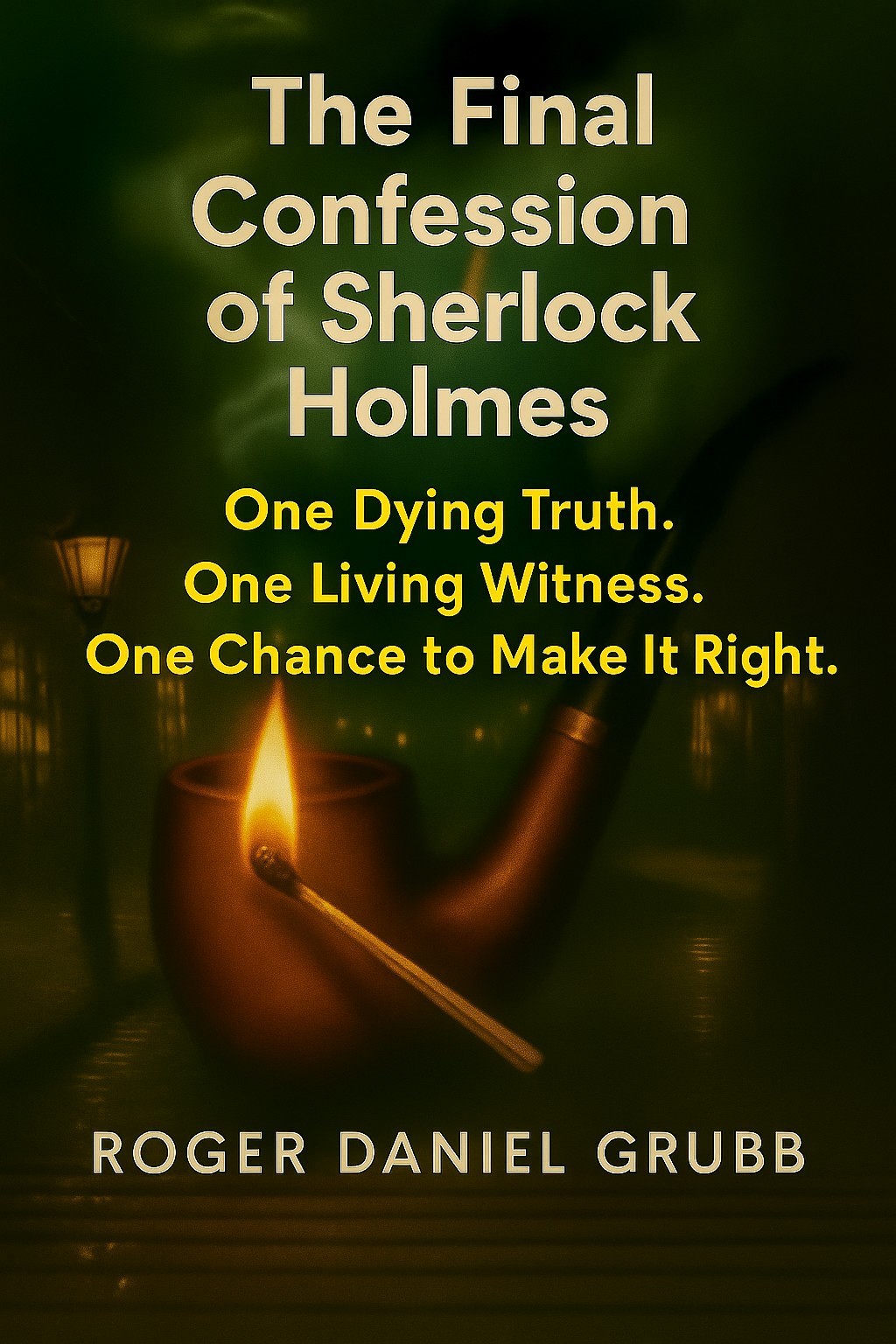
The Final Confession of Sherlock Holmes
Roger Daniel Grubb
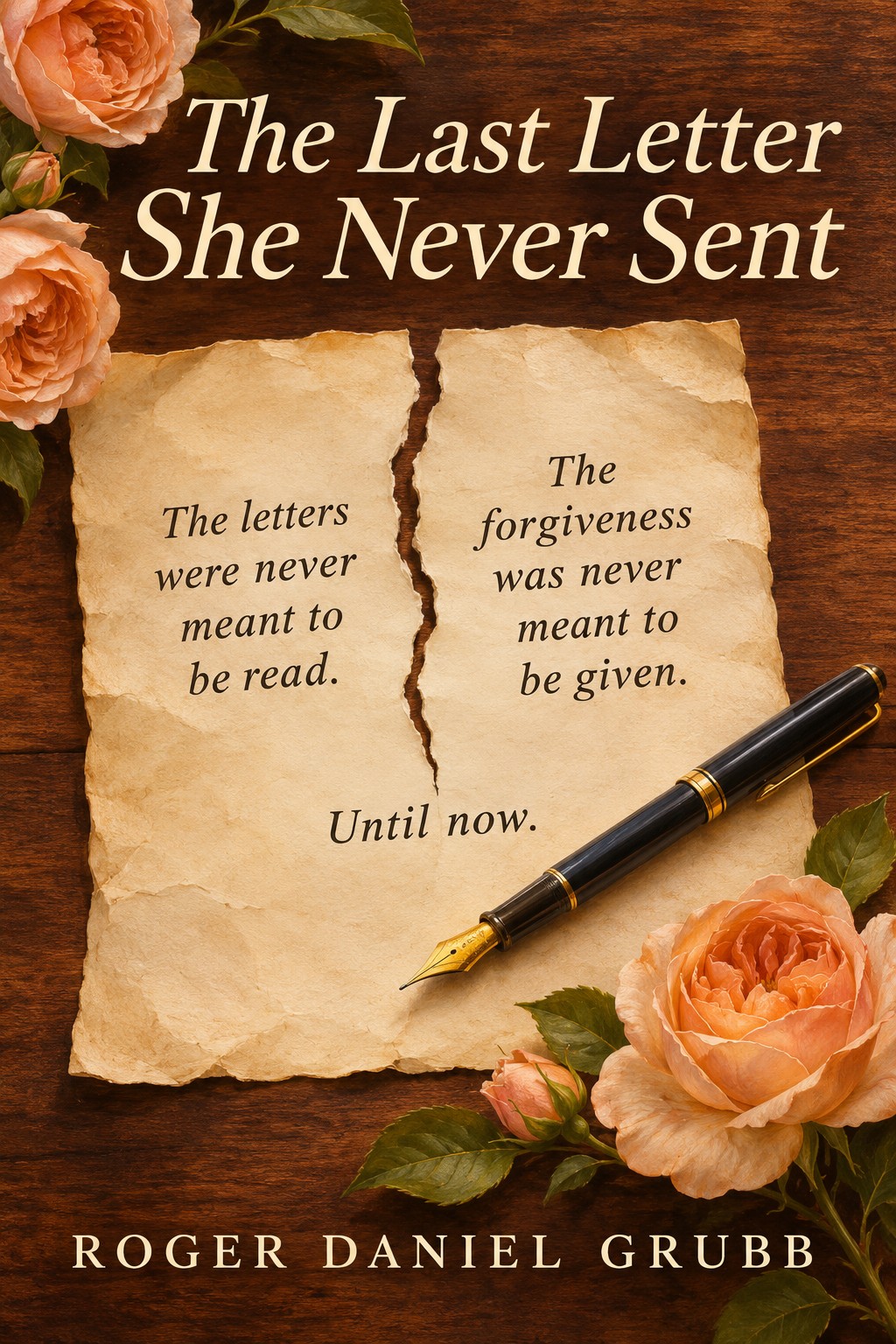
The Last Letter She Never Sent
Roger Daniel Grubb
The Secret Freedom of Women You Think You Know
Roger Daniel Grubb
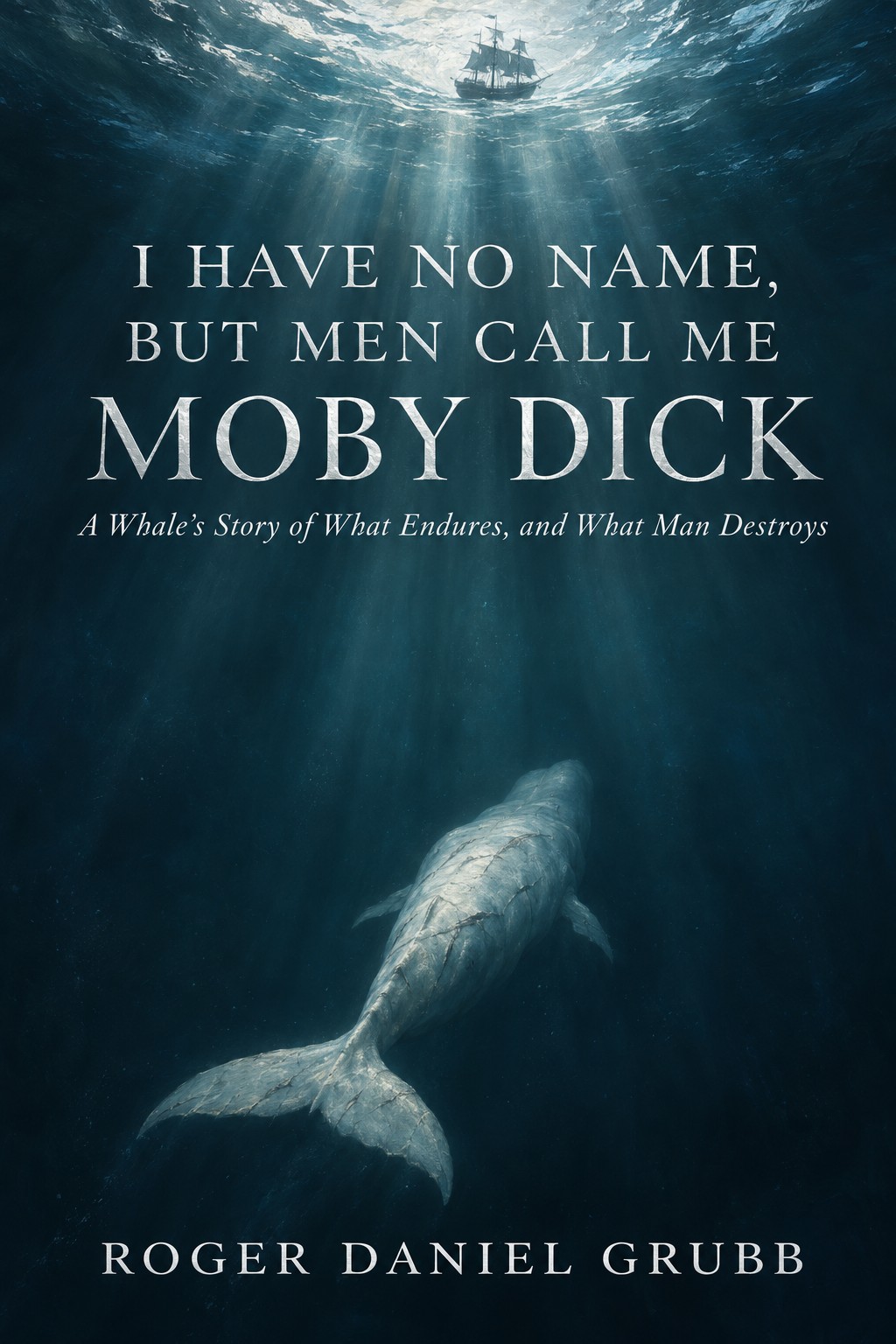
I Have No Name, But Men Call Me Moby Dick
Roger Daniel Grubb
Tell a friendXFacebookRedditWhatsAppEmail